Double Crochet Stitch Variations
If your crochet projects look flat… It’s not your fault.
Most beginners stick to the same basic stitch and wonder why their work doesn’t look like those Pinterest-perfect pieces. The secret? It’s not expensive yarn or advanced skills; it’s how you use the double crochet stitch.
With just a few simple tweaks, you can turn an ordinary pattern into something that looks textured, detailed, and honestly… kind of expensive.
In this guide, you’ll find 15 double crochet variations that are easy to learn but make a big visual difference. Some add thickness, some create clean lines, and others give that soft, woven look you usually see in high-end crochet designs.
And the best part?
You don’t need to be an expert to use any of them.
Let’s upgrade your stitches.
Also visit, https://modestora.com/double-crochet-increase-decrease-guide/
How to Make a Standard Double Crochet (dc)
Every variation starts here.
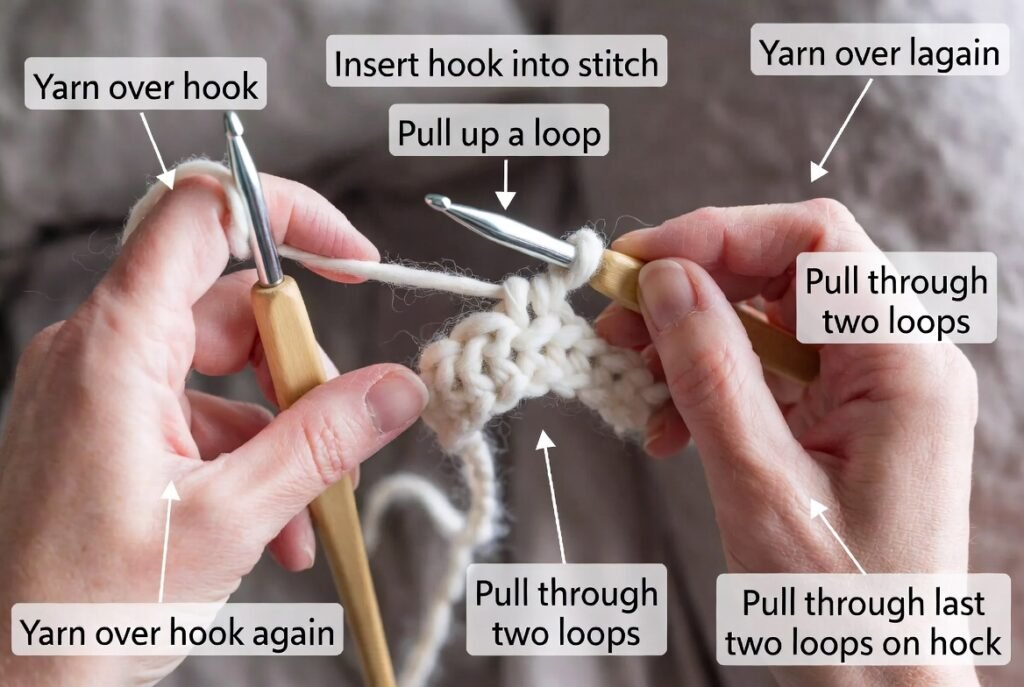
Steps
- Make a foundation chain.
- Yarn over once.
- Insert hook into stitch.
- Pull up the loop. Three loops on the hook.
- Yarn over. Pull through two loops.
- Yarn over. Pull through the last two loops.
One double crochet finished.
Practice rows until stitches look even. Count every row. Use worsted-weight yarn and a 5.5 mm hook so stitches are easy to see.
Once this feels natural, move to variations.
Variations of Double Crochet
These stitches appear in real patterns. Blankets. Sweaters. Scarves. Cardigans.
Learning them early makes patterns easier to read.
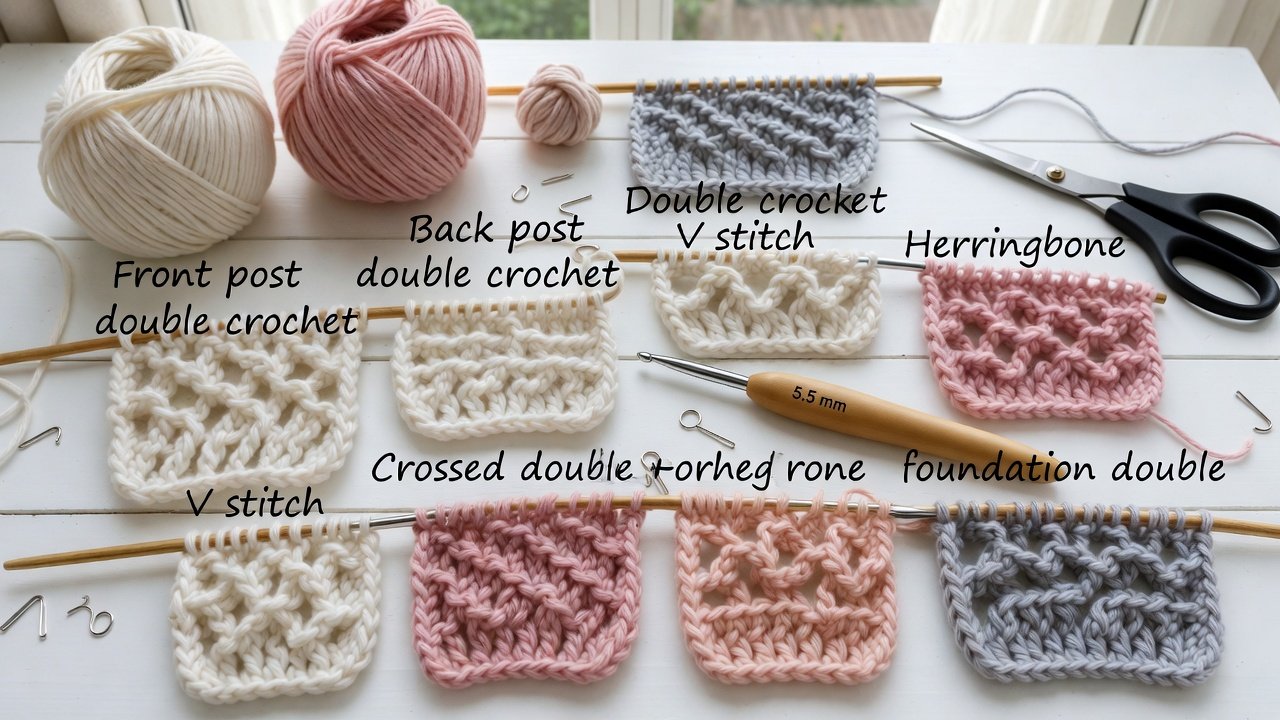
Front Post / Back Post Double Crochet (FPdc / BPdc)
Hook goes around the post, not the top loops.
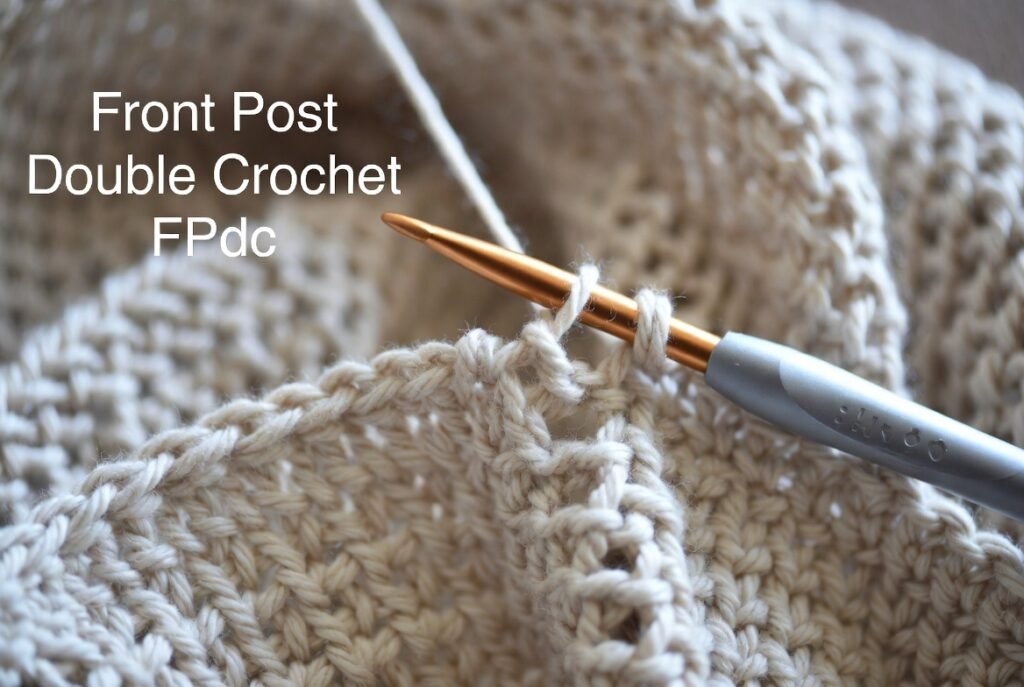
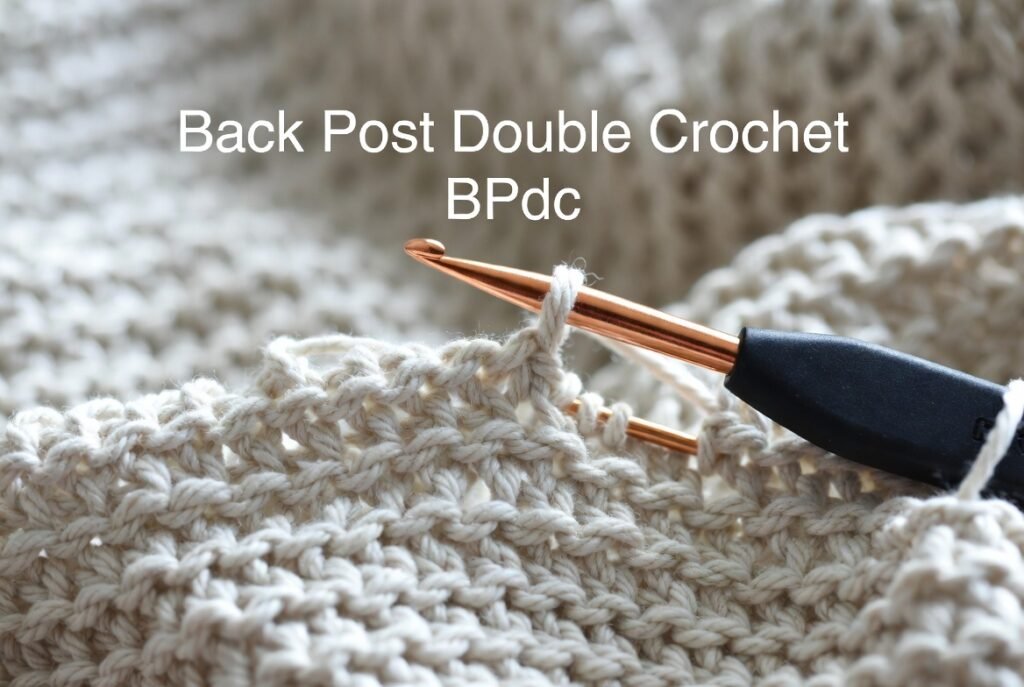
Creates ribbing texture.
Used in:
- Sweater cuffs
- Crochet vest borders
- Hat brims
Tip: Keep tension loose. Tight posts shrink fabric.
Double Crochet V Stitch
Double crochet, chain 1, double crochet in the same space.
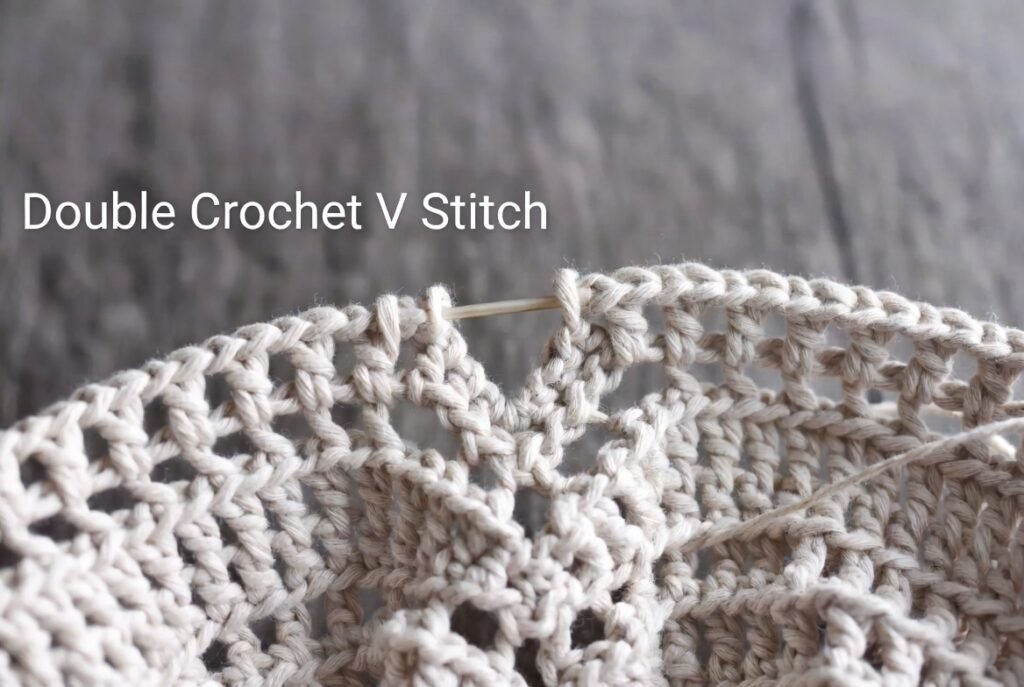
Light. Airy. Pretty.
Used in:
- V-stitch blanket
- Baby blanket
- Scarf
Tip: Count chain spaces, not stitches.
Crossed Double Crochet
Skip one stitch. Double crochet. Go back to the skipped stitch.
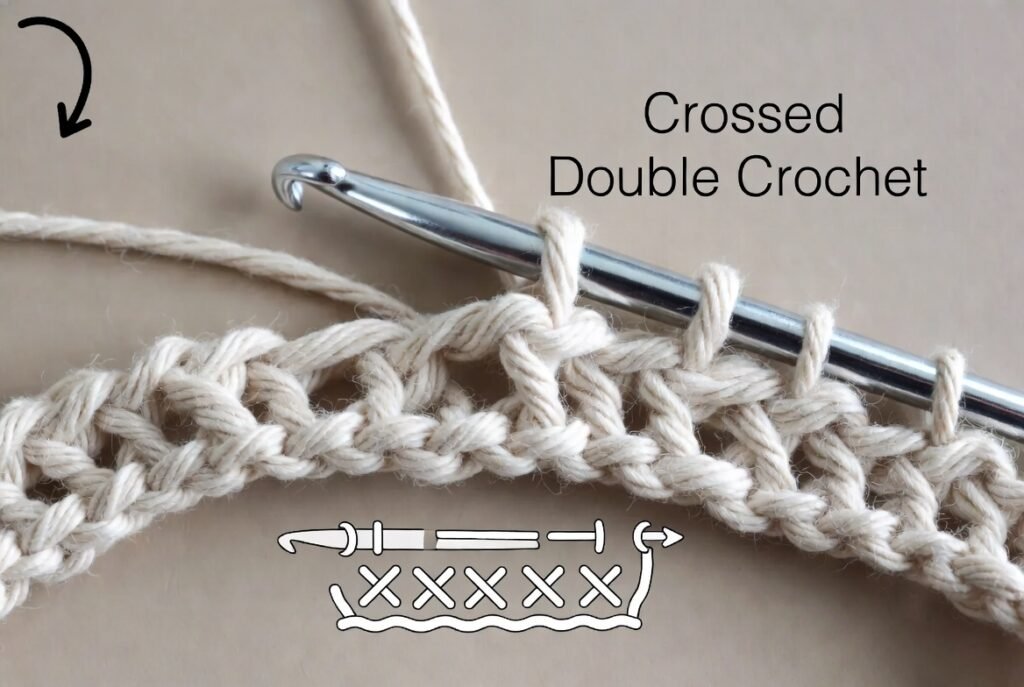
Creates a woven texture.
Used in pillow covers and textured scarves.
Herringbone Double Crochet
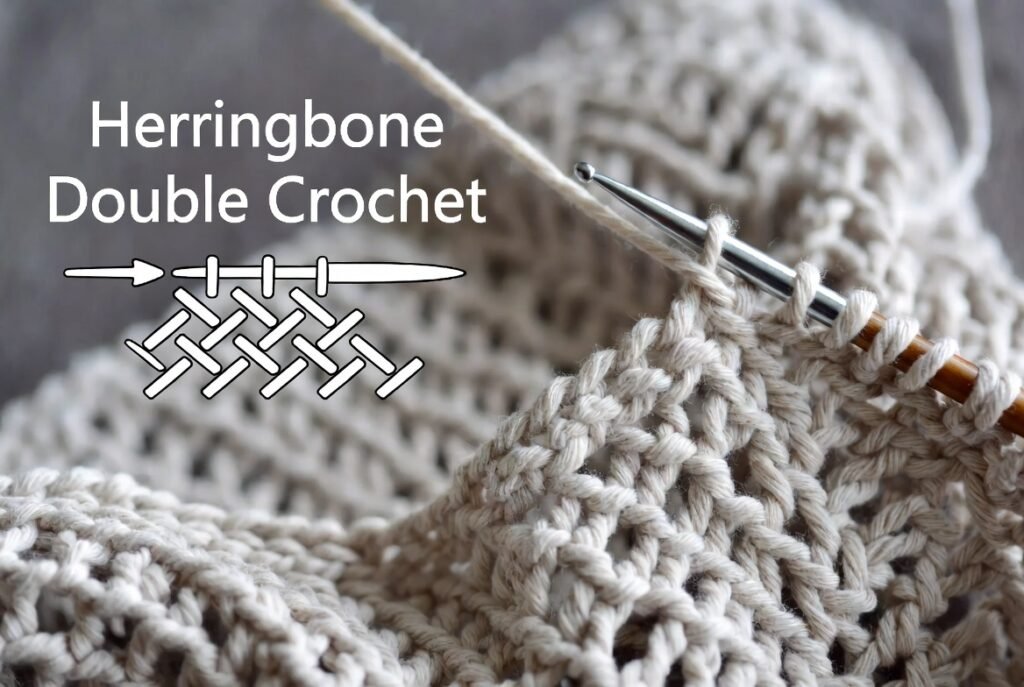
Pull through one loop at a time.
Tighter fabric. Slight slant.
Good for sweaters and structured blankets.
Foundation Double Crochet
Chain and first row together.
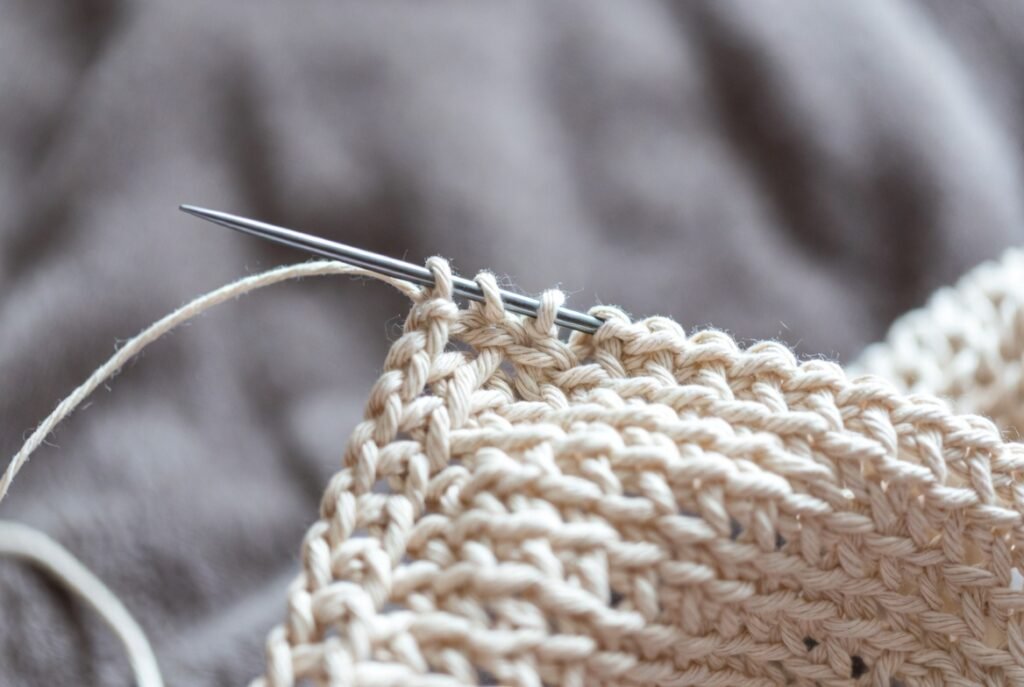
Stretchy edge.
Perfect for cardigans, sweater hems, and baby clothes.
Linked Double Crochet
Insert the hook into the middle bar before the yarn over.
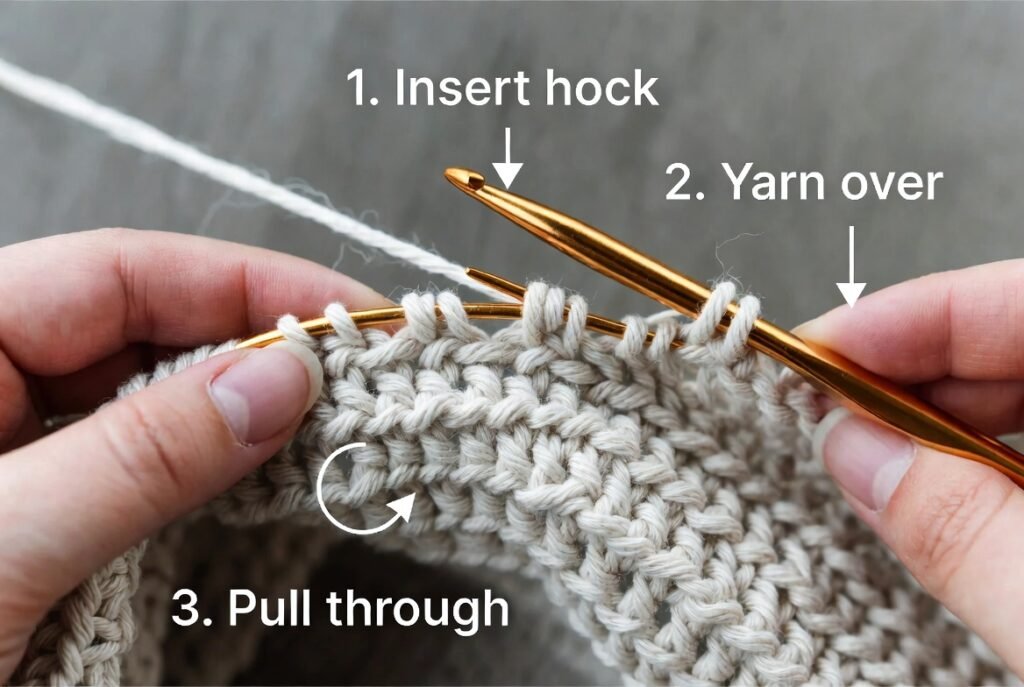
Closes holes. Makes dense fabric.
Used in winter scarves and structured vests.
Double Crochet Cluster and Puff Variations
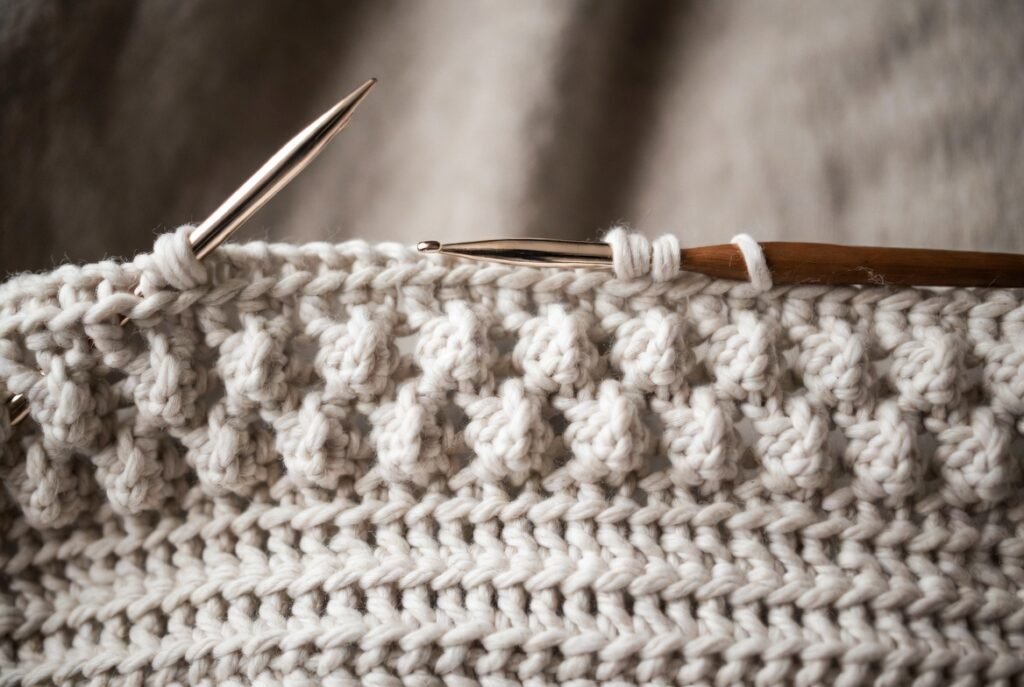
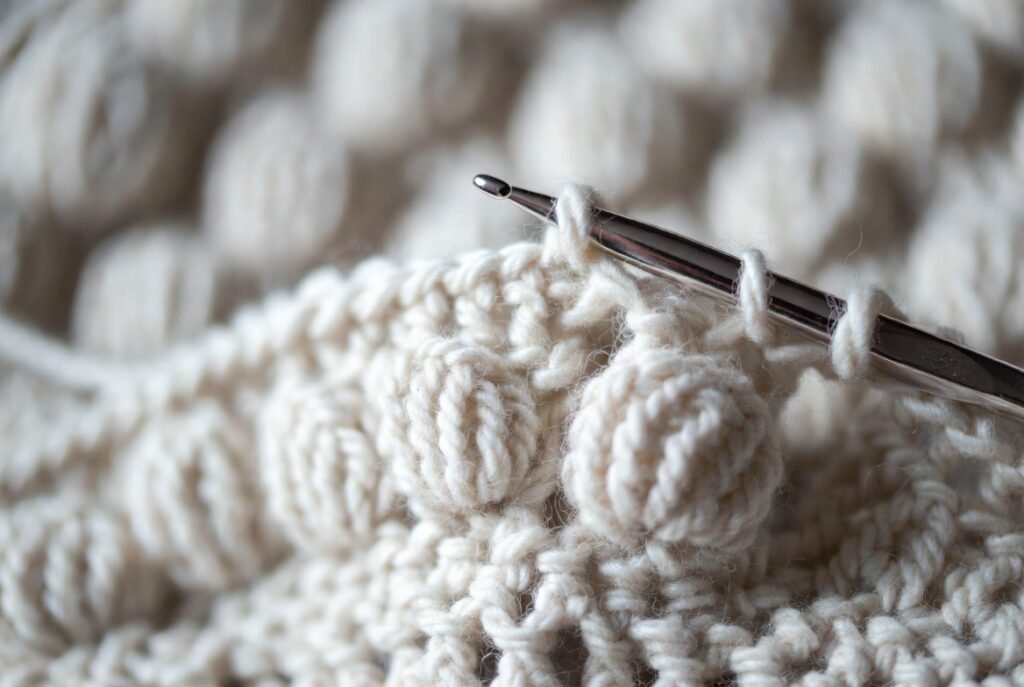
Several stitches worked together.
Good for textured blankets and shell stitch patterns.
Comparison: Half Double Crochet vs Double Crochet
Beginners ask this all the time.
Half double crochet vs double crochet
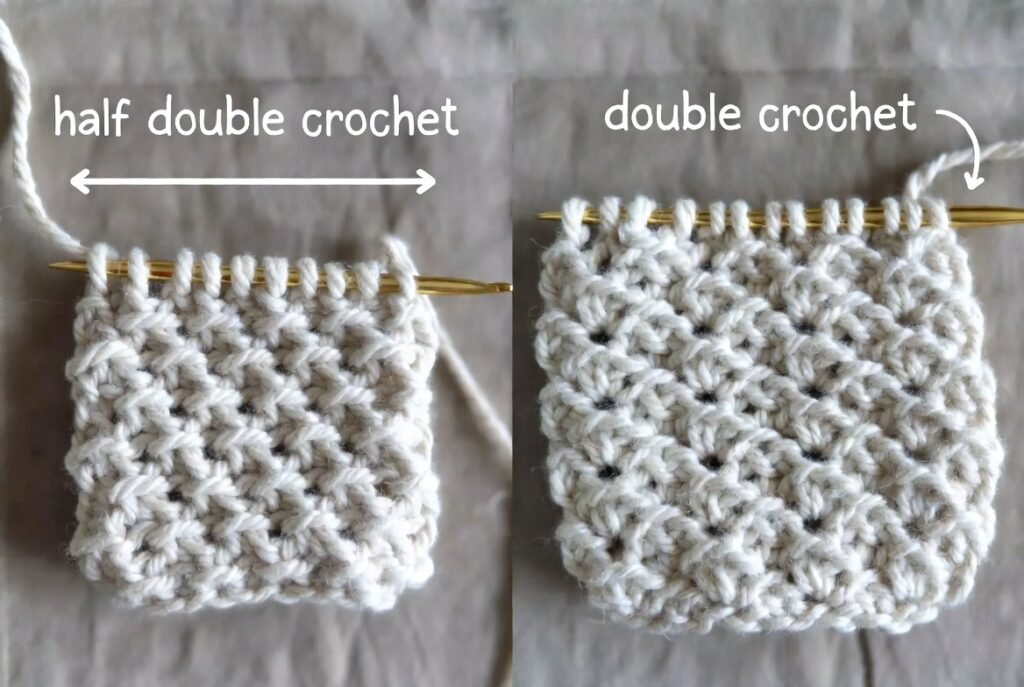
Half double crochet
Shorter. Denser. Warmer.
Double crochet
Taller. Softer. Faster.
Use half double crochet for hats and ribbing.
Use double crochet for blankets and scarves.
Want warm fabric? Half double crochet.
Want a fast project? Double crochet.
Both stitches matter. This double crochet variations guide helps you choose the right one.
Turning Chain Tips
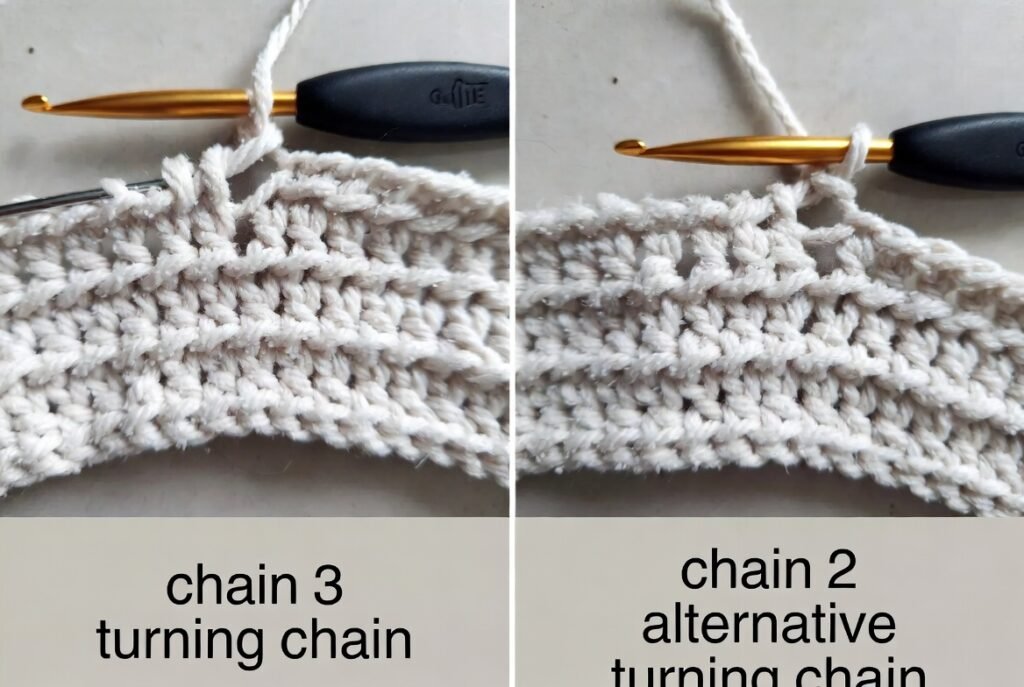
Most patterns use chain 3 for double crochet. Some use chain 2.
Messy edges? Try chain 2 or an alternative turning chain.
Use stitch markers on the first and last stitch.
Straight edges make projects look professional.
Easy Projects to Practice Double Crochet Variations
Start small. Build confidence.
Beginner Blanket
Rows of double crochet. Add V stitch rows.
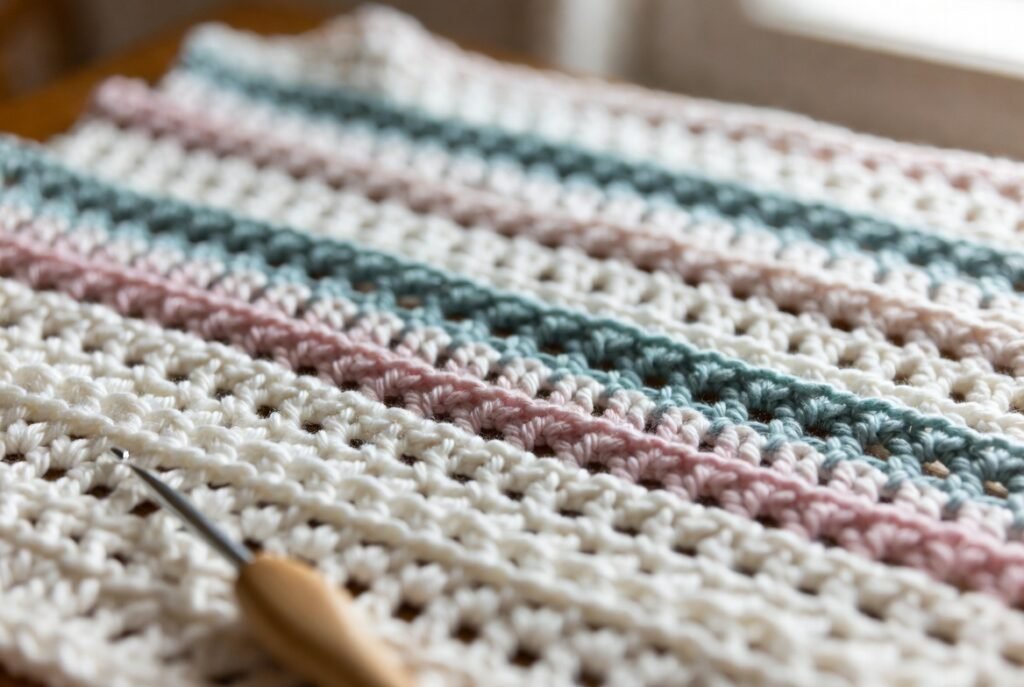
Great practice.
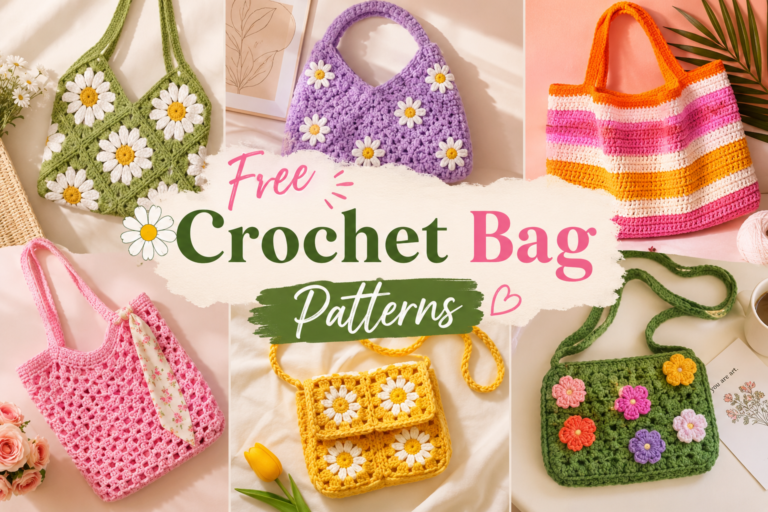
Check our crochet blanket patterns post for beginner designs using double crochet stitch patterns.
Hexagon Cardigan
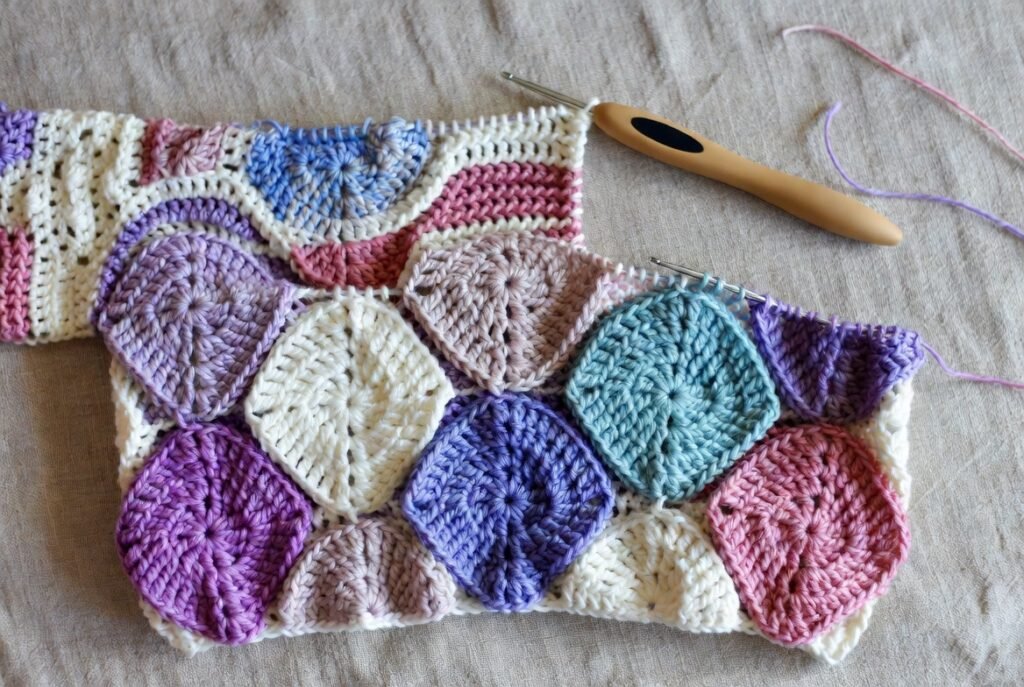
Uses the double crochet hexagon method.
Easy shaping. Popular beginner sweater.
Baby Sweater
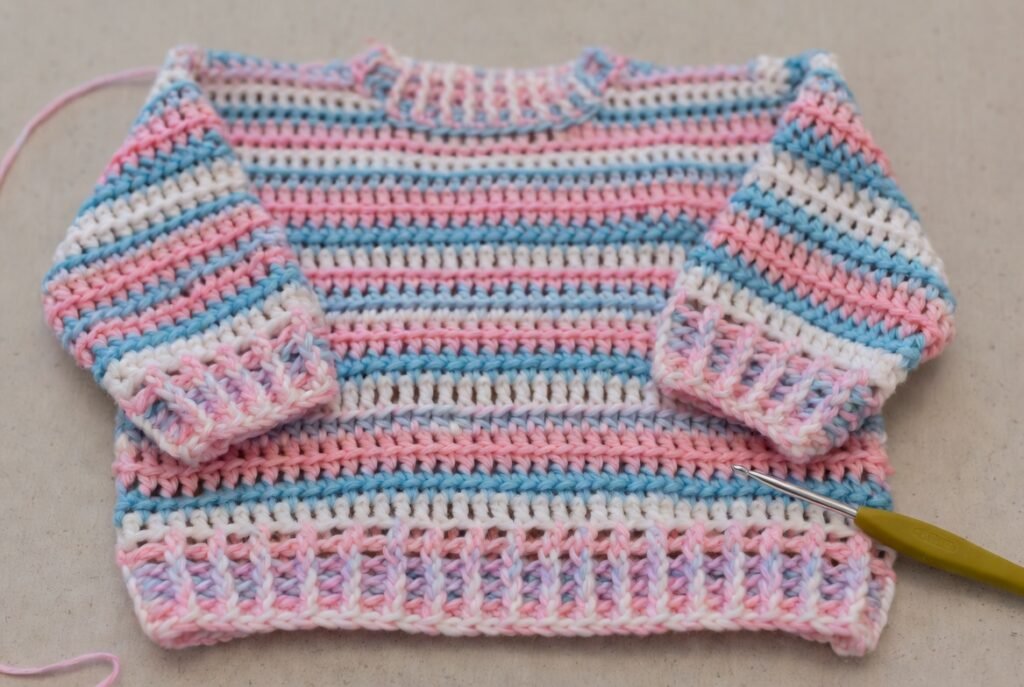
Small size. Fast finish.
Practice front post double crochet and foundation double crochet.
Simple Vest Pattern
Learn counting. Learn shaping.
Try a double crochet vest free pattern.
Doily Practice
Small lace projects teach tension control.
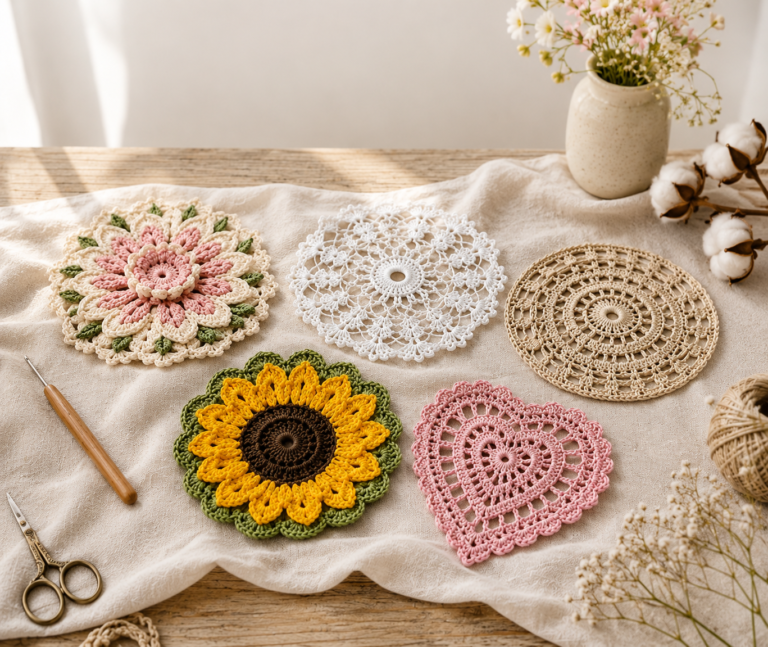
Use our free crochet doily patterns to practice linked double crochet and V stitch.
Small projects teach faster than long tutorials.
Yarn and Hook Tips for Beginners
Use smooth yarn. Light color.
Good yarn weight: worsted or DK.
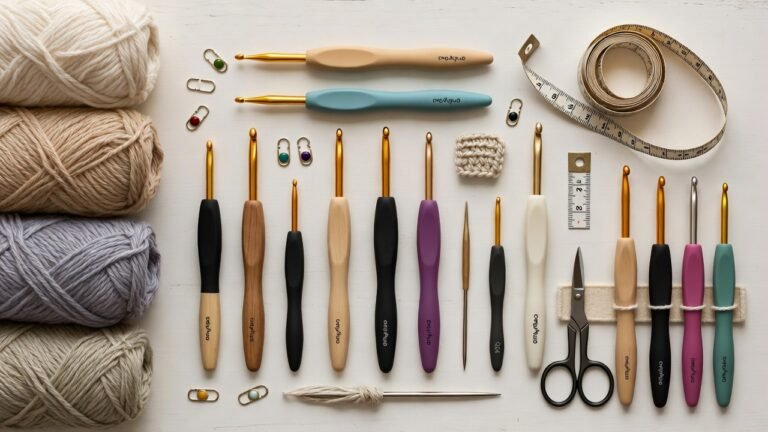
Hook size: 5 mm–6 mm.
Avoid fuzzy yarn at first. Hard to see stitches.
Practice tension before starting big projects.
Common Mistakes Beginners Make
Edges are getting wider. Extra stitches added. Count rows.
Edges shrinking. Missed the last stitch. Use markers.
Big holes. Hook too big.
Stiff fabric. Tension is too tight.
Wrong terms. Check the US vs. UK crochet language.
Mistakes are normal. Fix them early.
Reading Double Crochet Stitch Patterns
Common abbreviations:
DC – double crochet
DC2TOG—double crochet decrease
FPDC—front post double crochet
BPDC – back post double crochet
V stitch – double crochet, chain, double crochet
Once you learn these patterns, patterns feel easy.
Next Skills After Double Crochet
When ready, try:
- Front post half double crochet
- Extended double crochet
- Double treble crochet
- Crossed double crochet stitch
- Shell stitch and waffle stitch
These appear in sweater and blanket patterns.
Keep practicing. Every stitch builds skill.
Quick Practice Pattern
Chain 30.
Row 1 – Double crochet in the 4th chain across.
Row 2 – Chain 3. Turn. Double crochet across.
Row 3 – Double crochet V stitch across. Repeat.
This small scarf teaches counting, turning chains, and spacing.
Use this practice before big projects.
Why Learn Double Crochet Variations
Because one stitch opens the whole crochet world.
Blankets grow faster. Sweaters look cleaner. Patterns make sense.
The more you practice this double crochet variations guide, the easier new stitches feel.
Confidence comes fast.
FAQ – Double Crochet Beginners Ask
What is double crochet used for?
Blankets, scarves, sweaters, baby cardigans, vests, toys, and home decor.
Is double crochet good for beginners?
Yes. After chain stitch and single crochet, it’s the most useful stitch.
Why does my double crochet look uneven?
Tension changes. Slow down. Count stitches.
Is half double crochet easier?
Some beginners think so because it has fewer steps.
How long does it take to learn double crochet?
Most beginners feel comfortable after a few hours of practice.
How many chains for turning chains?
Usually chain 3 in US terms. Some patterns use chain 2.
Final Thoughts
Learning double crochet opens almost every crochet pattern.
Hands learn the rhythm. Variations feel easy. Blankets grow faster. Sweaters look better.
Start one swatch today.
Tomorrow, try a V-stitch scarf.
Next week, try a simple cardigan from your favorite crochet blanket patterns or free crochet doily patterns.
Keep practicing. Keep counting stitches.
Your crochet skills will grow faster than you think.