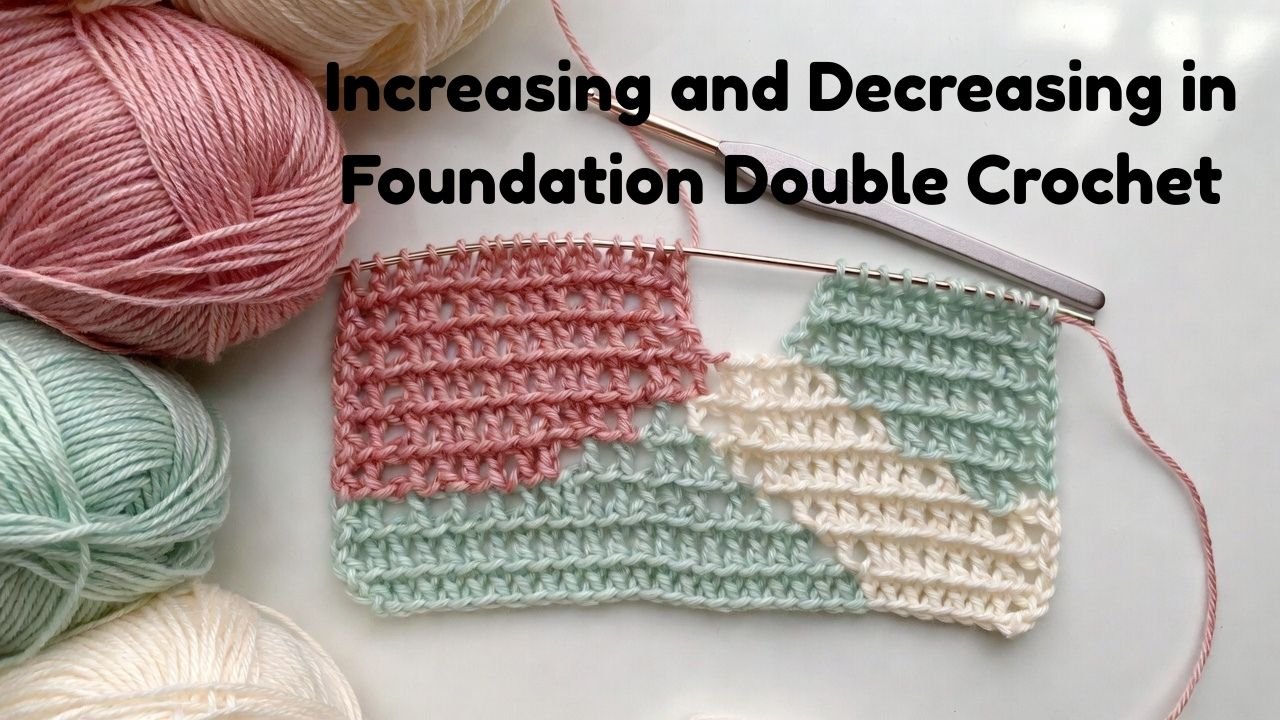
Learn double crochet increase and decrease in foundation double crochet with step-by-step tutorials for beginners. Includes dc2tog, shaping tips, right- and left-handed guides, and expert crochet techniques for hats, blankets, sweaters, and amigurumi.
Increasing and Decreasing in Foundation Double Crochet
Mastering double crochet increase and decrease is essential for shaping. Hats, blankets, sweaters, and amigurumi all rely on it.
In this guide, you’ll learn:
- Increasing in foundation double crochet (FDC)
- Decreasing with dc2tog
- Right- and left-handed tutorials
- Invisible decreases for neat shaping
- Real project examples for blankets, hats, and amigurumi
Perfect for beginners and intermediate crocheters who want clean edges and professional shaping.
What Is the Foundation Double Crochet?
Foundation double crochet combines a starting chain and the first row of double crochet in one step. It’s stretchy and creates a clean edge.
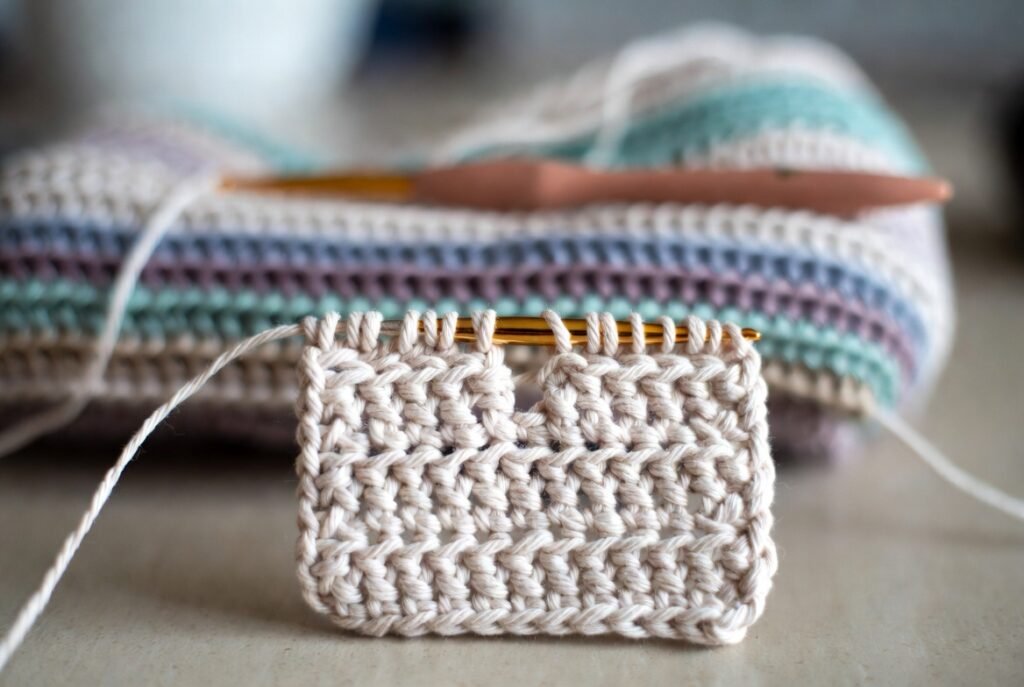
Why FDC works so well:
- Cleaner than chains
- Easier stitch counting
- Perfect for blankets, garments, and amigurumi
- Stretchier than traditional chains
You’ll often combine increase and decrease stitches with FDC to shape sleeves, hats, or toy bodies.
Why Double Crochet Increase and Decrease Matter
Increase = widen your fabric.
Decrease = shape curves.
Common uses:
- Hat crown shaping
- Sweater sleeves
- Blanket edges and corners
- Amigurumi shaping
- Granny square corners
Without these skills, projects may look uneven or tight.
Right-Handed Increasing and Decreasing
How to Increase Double Crochet
Increase by working two stitches in one stitch.
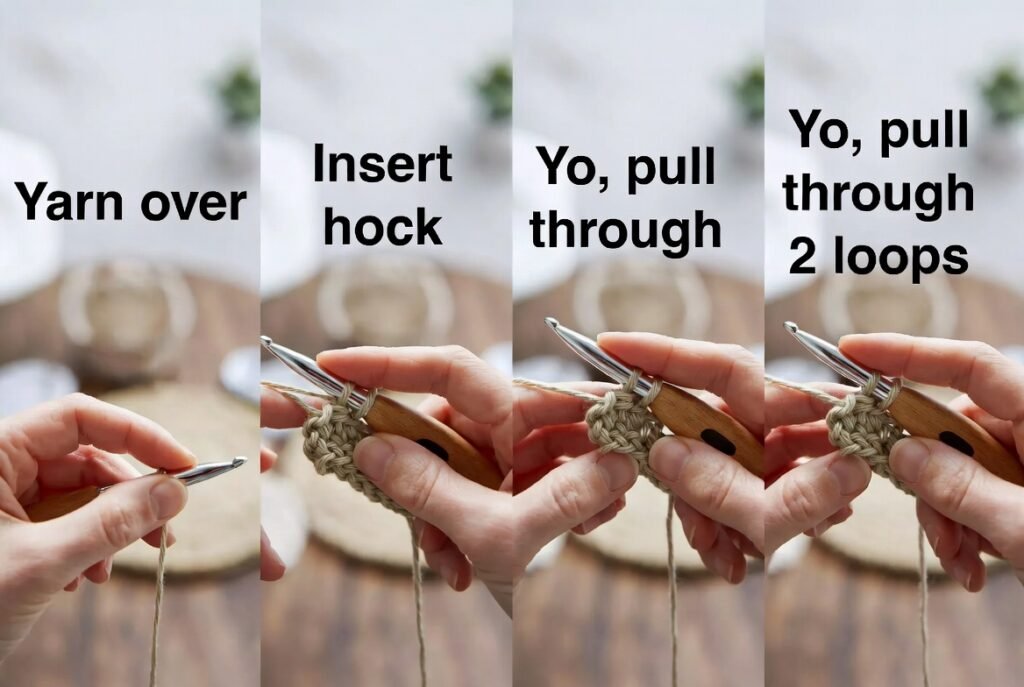
Steps:
- Yarn over
- Insert hook into stitch
- Complete the first double crochet
- Yarn over again
- Insert the hook into the same stitch
- Complete the second double crochet
This is called a 2dc in one stitch increase.
When to use:
- Beginning of rows
- Granny square corners
- Blanket rounds
- Expanding rows
Tip: Mark increased stitches to avoid counting mistakes.
How to Decrease Double Crochet (DC2TOG)
Decrease by joining two stitches together.
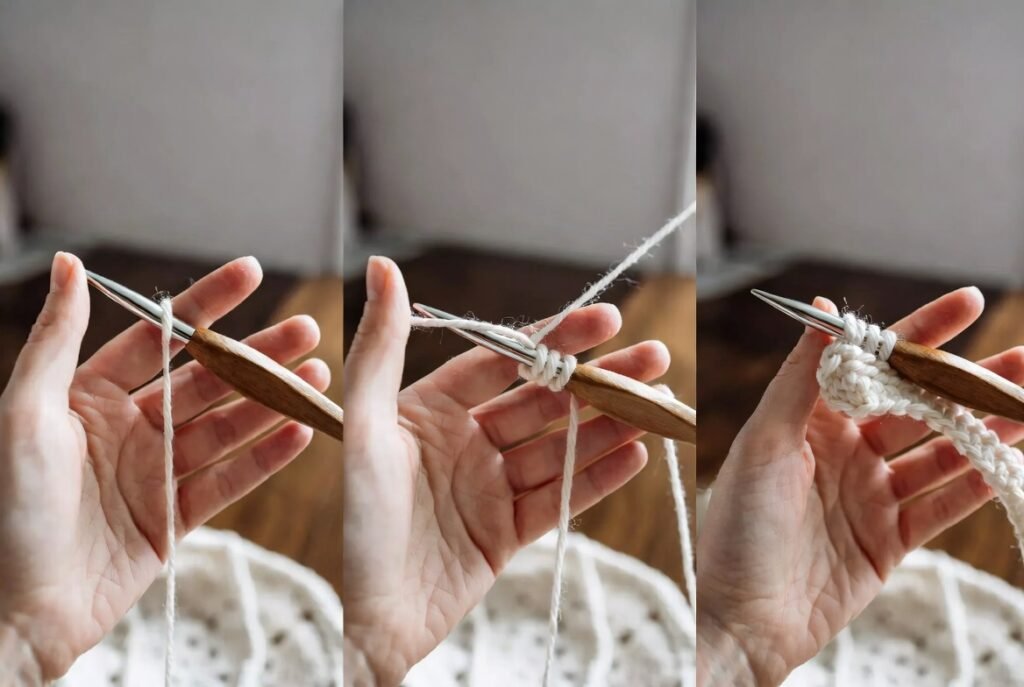
Steps for dc2tog:
- Yarn over, insert hook into first stitch, pull up loop, yarn over, pull through 2 loops
- Insert into next stitch, pull up loop, yarn over, pull through 2 loops
- Yarn over, pull through all loops
When to use:
- Hat crowns
- Sweater sleeves
- Amigurumi shaping
- Mesh stitch shaping
Practice on a swatch first.
Left-Handed Increasing and Decreasing
Left-handed crocheters mirror the same techniques.
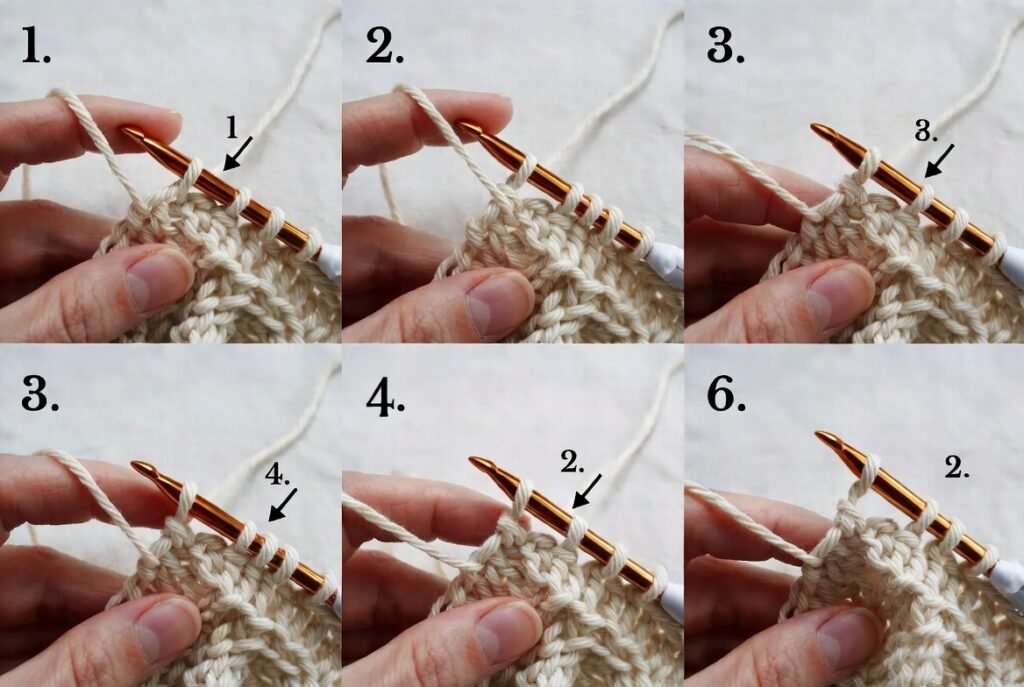
Tips:
- Watch mirrored tutorials
- Use stitch markers
- Practice FDC first
- Follow the written decreases slowly
Search keywords: “double crochet increase left-handed” or “double crochet decrease left-handed.”
Increasing and Decreasing in Foundation Double Crochet
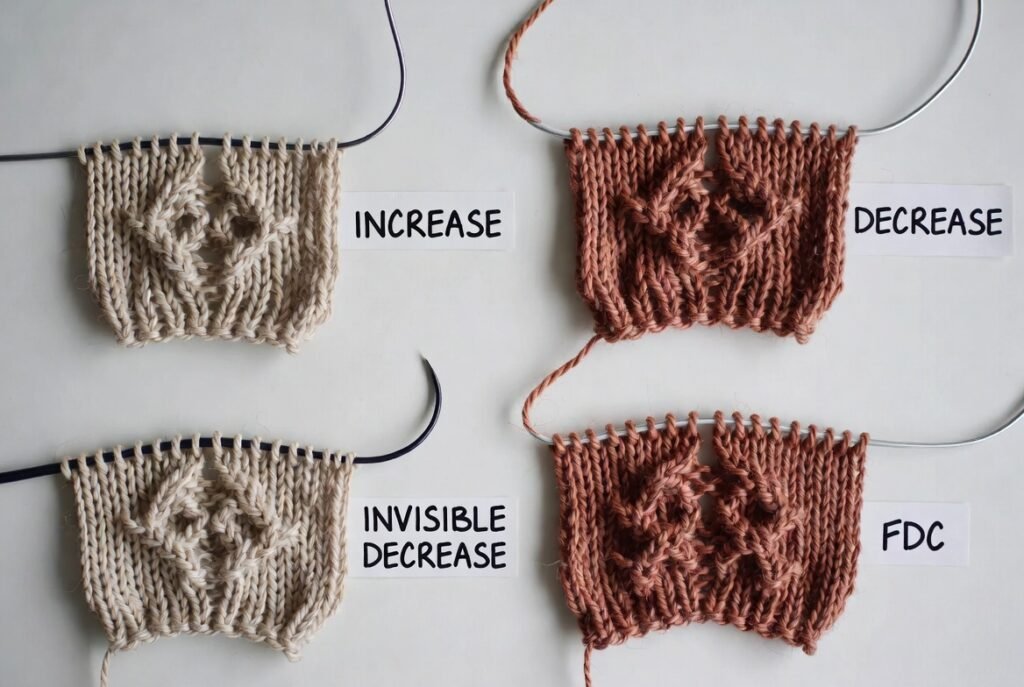
INCREASING
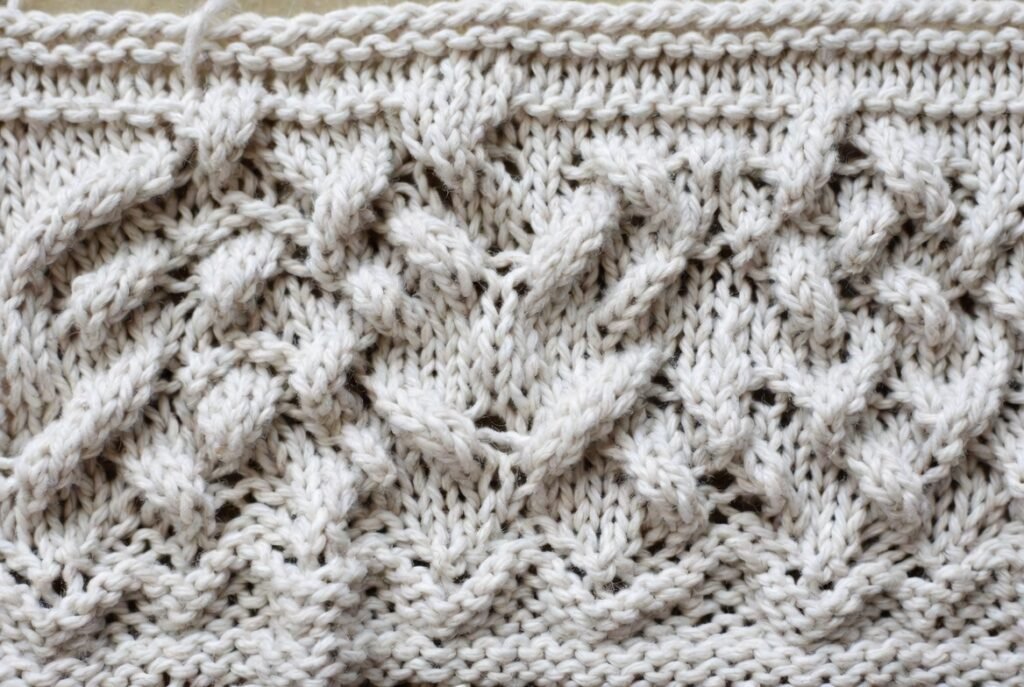
Add extra FDC stitches into one space.
Example:
- Work FDC normally
- Insert hook into the same stitch
- Complete the second FDC
Uses:
- Blanket shaping
- FDC in the round
- Granny square corners
DECREASING
Use dc2tog with FDC stitches.
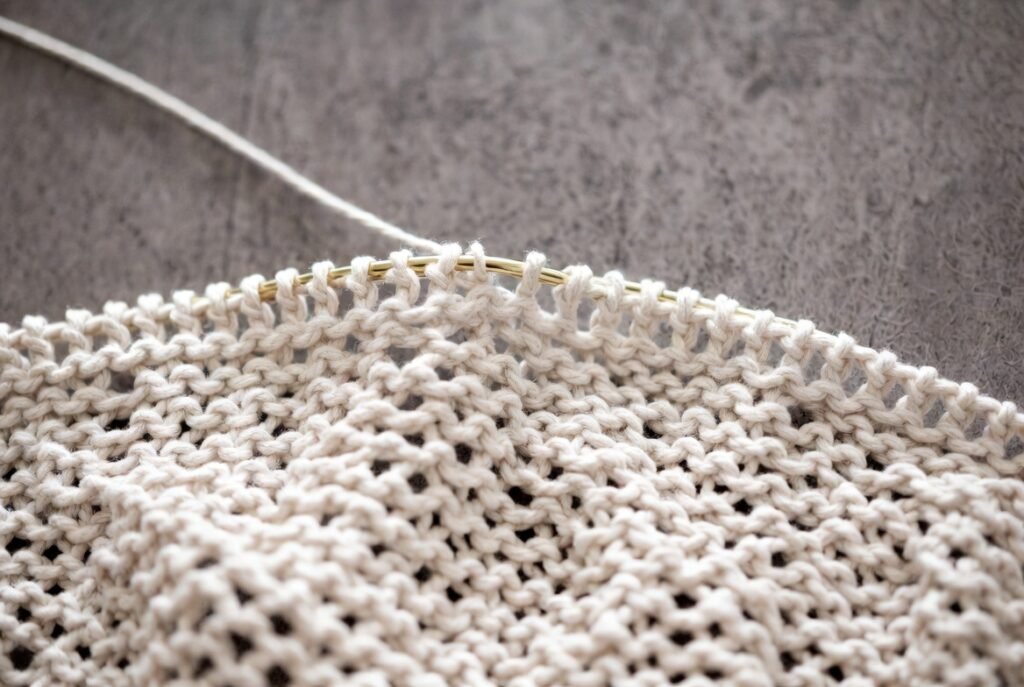
Example:
- Yarn over
- Insert into the first FDC, pull through 2 loops
- Insert into next FDC, pull through 2 loops
- Yarn over, pull through all loops
Tip: For invisible shaping, try a double crochet invisible decrease.
Explore More Advanced Decreases
- DC decrease across 2 stitches
- DC decrease over 3 stitches
- DC 3 together
- DC clusters
- Extended DC decrease
Perfect for sleeves, hats, and curved designs.
More Advanced Stitches
Invisible Double Crochet Decrease
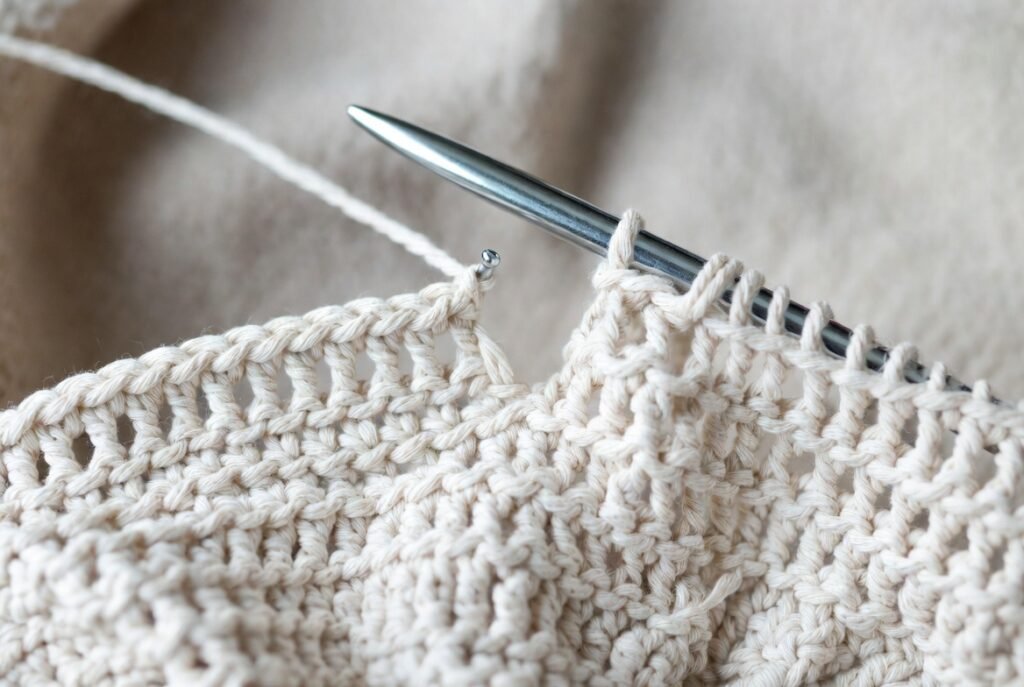
Reduces holes. Great for:
- Amigurumi
- Baby clothes
- Lightweight yarn
Work through front loops only before finishing dc2tog.
Increasing and Decreasing in the Round
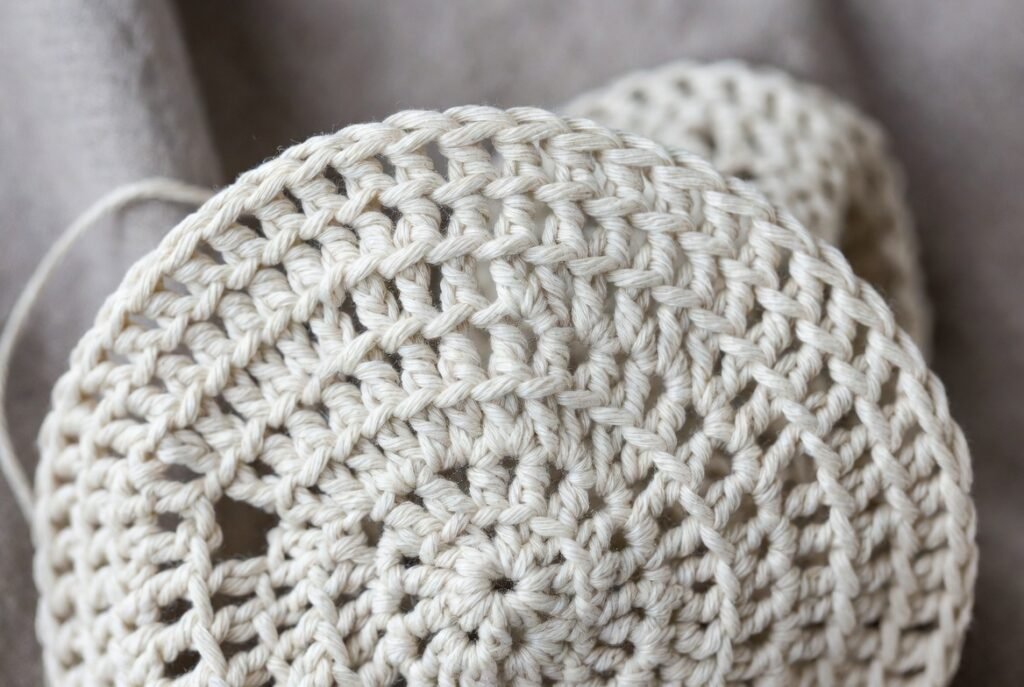
For hats, toys, or blankets:
- Use stitch markers
- Count every round
- Keep tension even
Practice increases in the round and decreases in the round before starting big projects.
Crochet Stitch Terminology (US vs UK)
- US double crochet = UK treble
- US half double crochet = UK half treble
Check the pattern’s origin before using increase or decrease instructions.
Real Project Examples
Crochet Hat Shaping
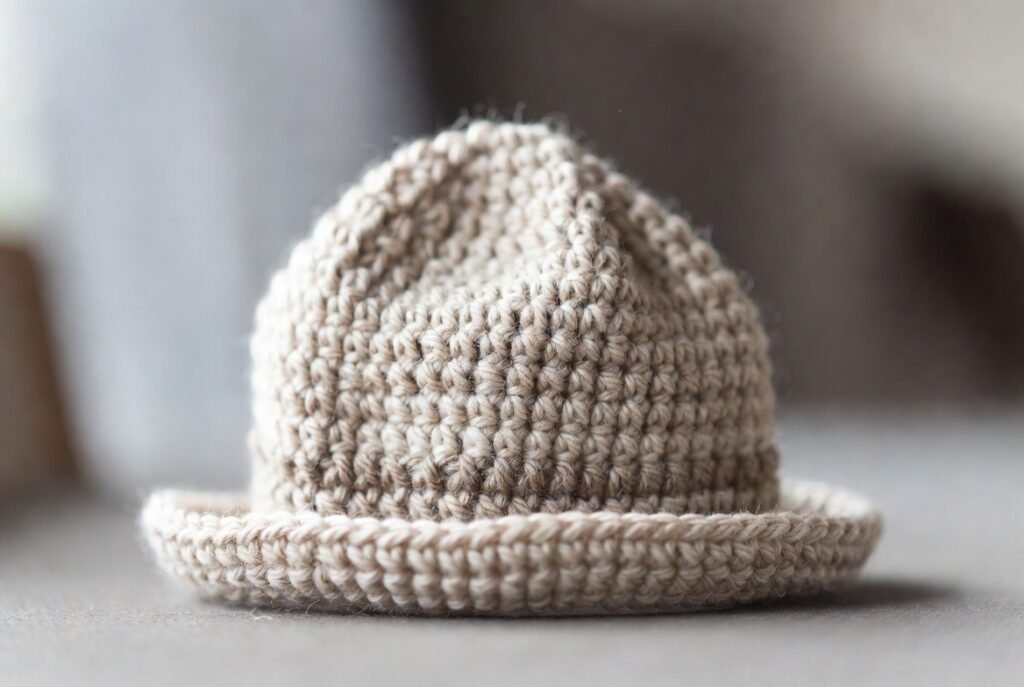
- Increase in early rounds
- Decrease near the crown
- Space decreases evenly for smooth shaping
Crochet Blanket Edges
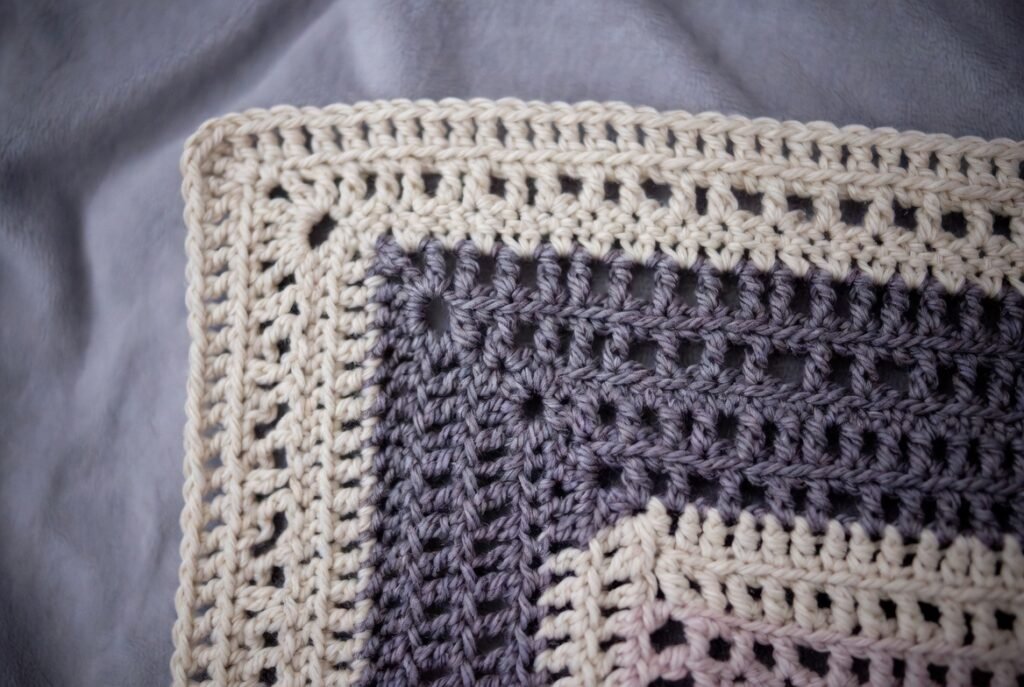
- Add increases for wider edges
- Decrease to taper corners
- FDC edges make it neat
Crochet Sweater Sleeves
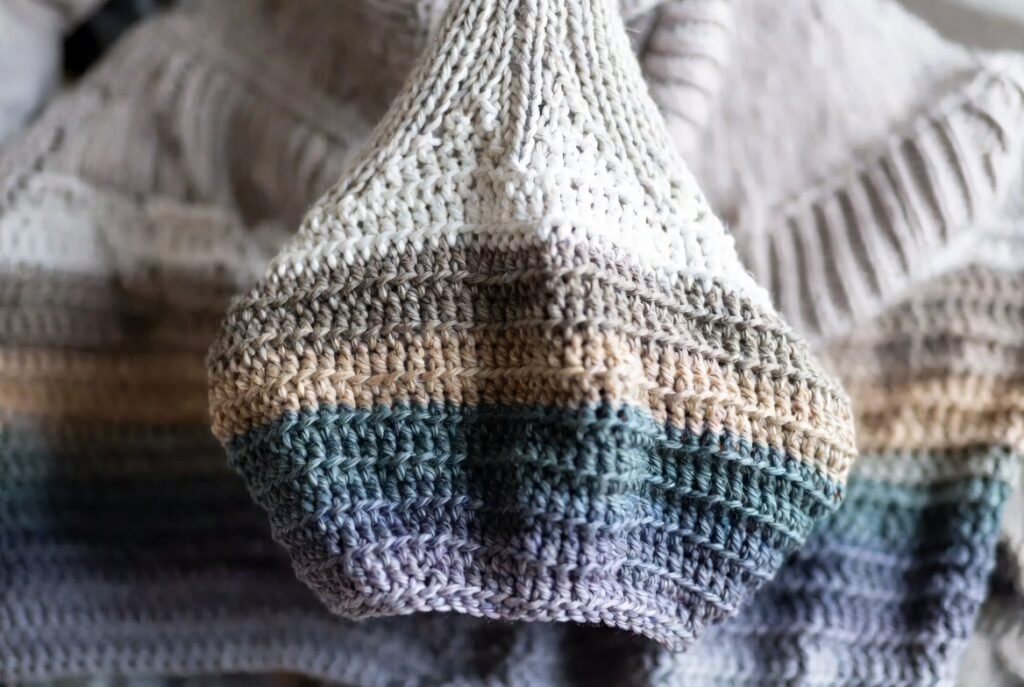
- Decrease every few rows
- Use dc2tog for smooth shaping
Crochet Amigurumi
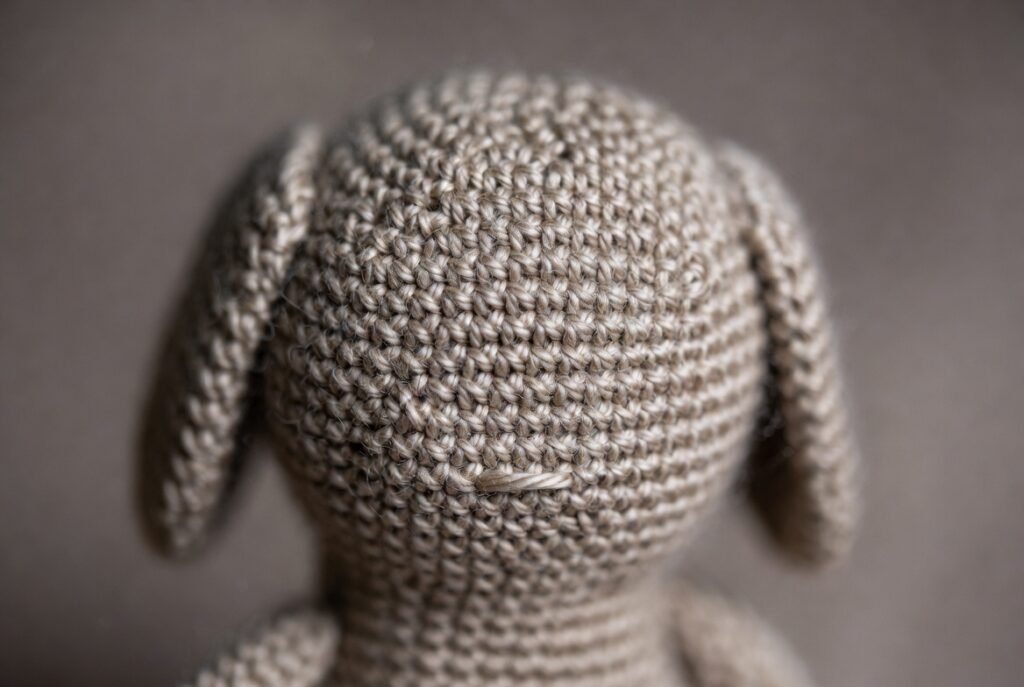
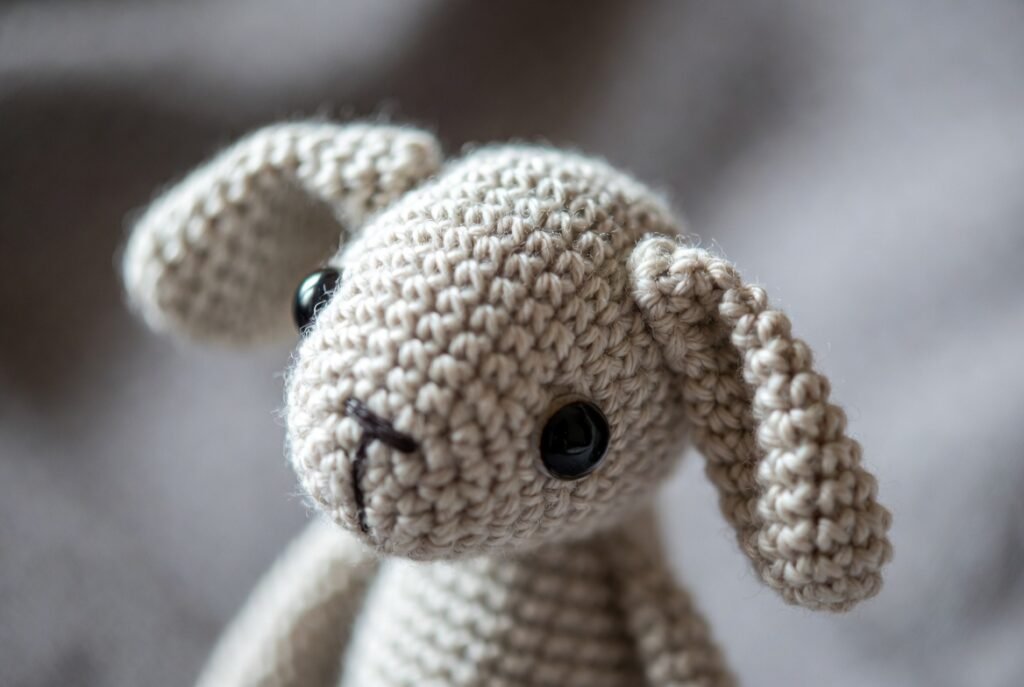
- Use invisible decreases
- Keep stitches tight
- Prevent holes in stuffed toys
Common Mistakes
- Skipping stitches
- Adding too many increases
- Not counting stitches
- Uneven tension
Always count rows and mark increases/decreases.
Tips for Perfect Shaping
- Use stitch markers
- Practice on scrap yarn
- Follow the written directions carefully
- Learn stitch symbol charts
- Check abbreviations like “dc” and “hdc.”
FAQ (Schema-Ready)
Q: What is a double crochet increase and decrease?
A: A shaping technique where you add or join stitches to widen or taper fabric.
Q: How do you increase double crochet in the round?
A: Work two dc stitches in one stitch following the round pattern.
Q: How do you decrease double crochet without holes?
A: Use invisible decrease or dc2tog with tight tension.
Q: Is foundation double crochet good for beginners?
A: Yes. Cleaner edges and easier than chains.
Q: What does “dc2tog” mean?
A: Double crochet 2 together, a common decrease stitch.
Q: Can I use FDC increases and decreases for sweaters and hats?
A: Absolutely. Works for sleeves, crowns, and shaping blankets.
Conclusion
Mastering double crochet increase and decrease transforms your crochet projects. Hats, blankets, sweaters, and amigurumi all look cleaner and more professional.
Practice right- and left-handed methods. Try the invisible decreases experiment in the round.
Start a swatch today. Watch your shaping improve.
Happy crocheting!